There’s a reason “Welcome to Holland” endures. It gives form to something many families feel but struggle to articulate—the dissonance between expectation and reality, and the long, uneven path toward acceptance. It doesn’t fix that tension, but it honors it. The Windmill grew out of that same terrain—not as a response, exactly, but as a continuation of the same story.
The Windmill
By Marshal Ash
Many families raising children with special needs are faced with the impossible realization that the time for a transition has come. Whether strength has reached its limit or love requires letting go, taking this step is courageous. For those who have not shared in this unique weight, it’s sometimes like this….
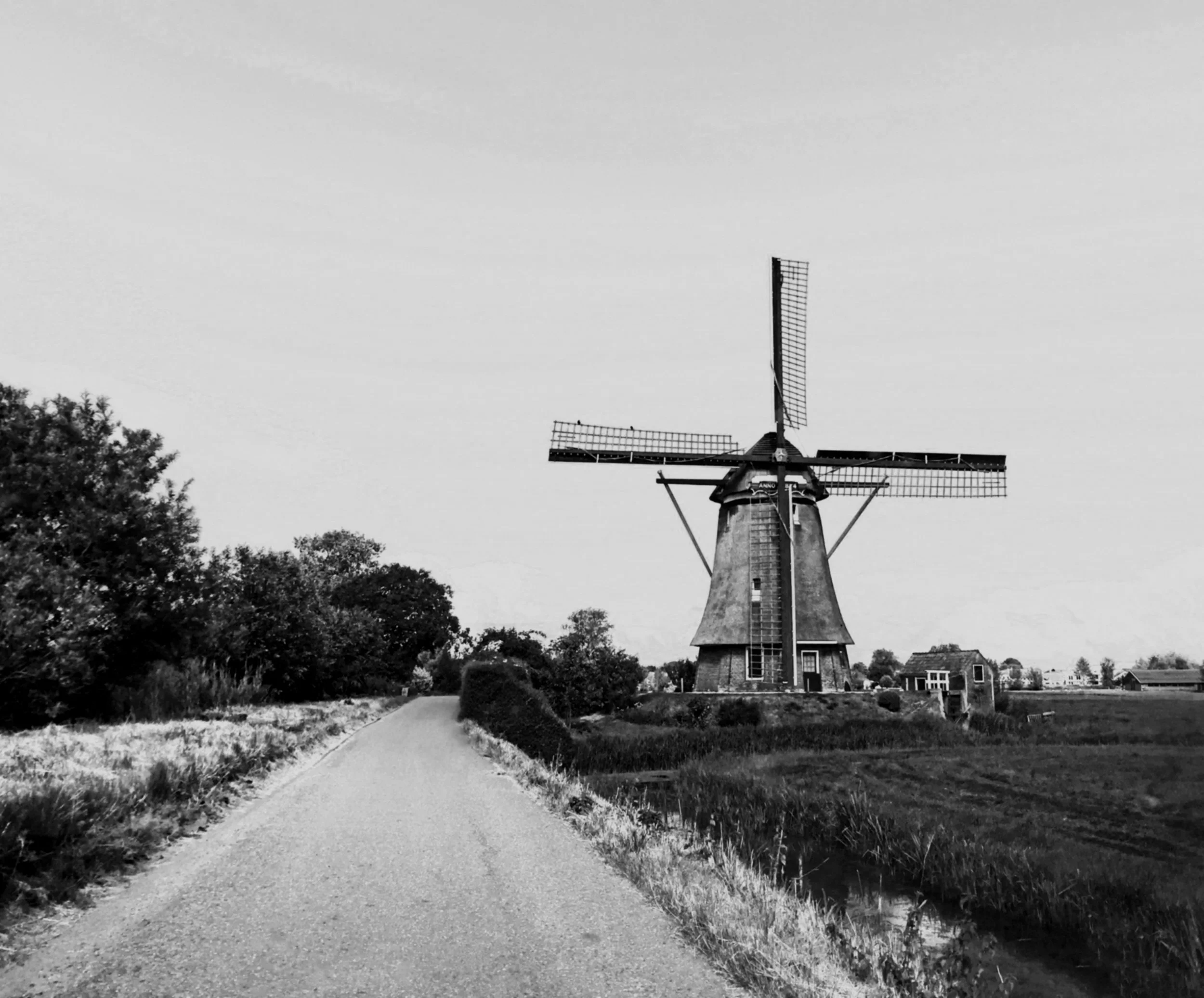
The evening before the big day, you watch the sun set behind the windmill. You think back to the day you first stepped off the plane: completely unprepared but determined to give every part of yourself to figure out this landscape of Holland. Now, you sit with aching knees and a tired back. You set the windmill’s grinding stone in motion, now it’s time for someone else to keep its rhythm.
As dawn breaks, you quietly sip your coffee, and your mind overflows with memories of your time in the windmill: the warmth of freshly-milled grain, your anxiety through the first storm, and the days where you finally learned how to rotate the cap just right to catch the perfect wind. Every memory holds a version of you that didn’t know this day was coming.
When the new millers arrive, you welcome them in and show them around. You keep worrying about what instructions you may have forgotten to write down. You can’t teach them your intuition, but you’re reassured that you’ve taught them all you know. As you drive away, you shudder as you hear the windmill groan: it’s straining to find its rhythm under new hands. But in the rearview mirror, the blades start turning again.
After leaving, the old familiar fears come pouring in again: Are we abandoning our post, running because we are tired? Will people think we walked away when we were needed the most? And the worst one—will we ever stop feeling like that’s exactly what we did? But no. This is love doing its hardest, most selfless work: choosing to entrust the windmill to new millers while the grinding stone still has its momentum. Despite knowing this truth, seeing the blades managed by someone else is the most merciful ache your heart has ever known.
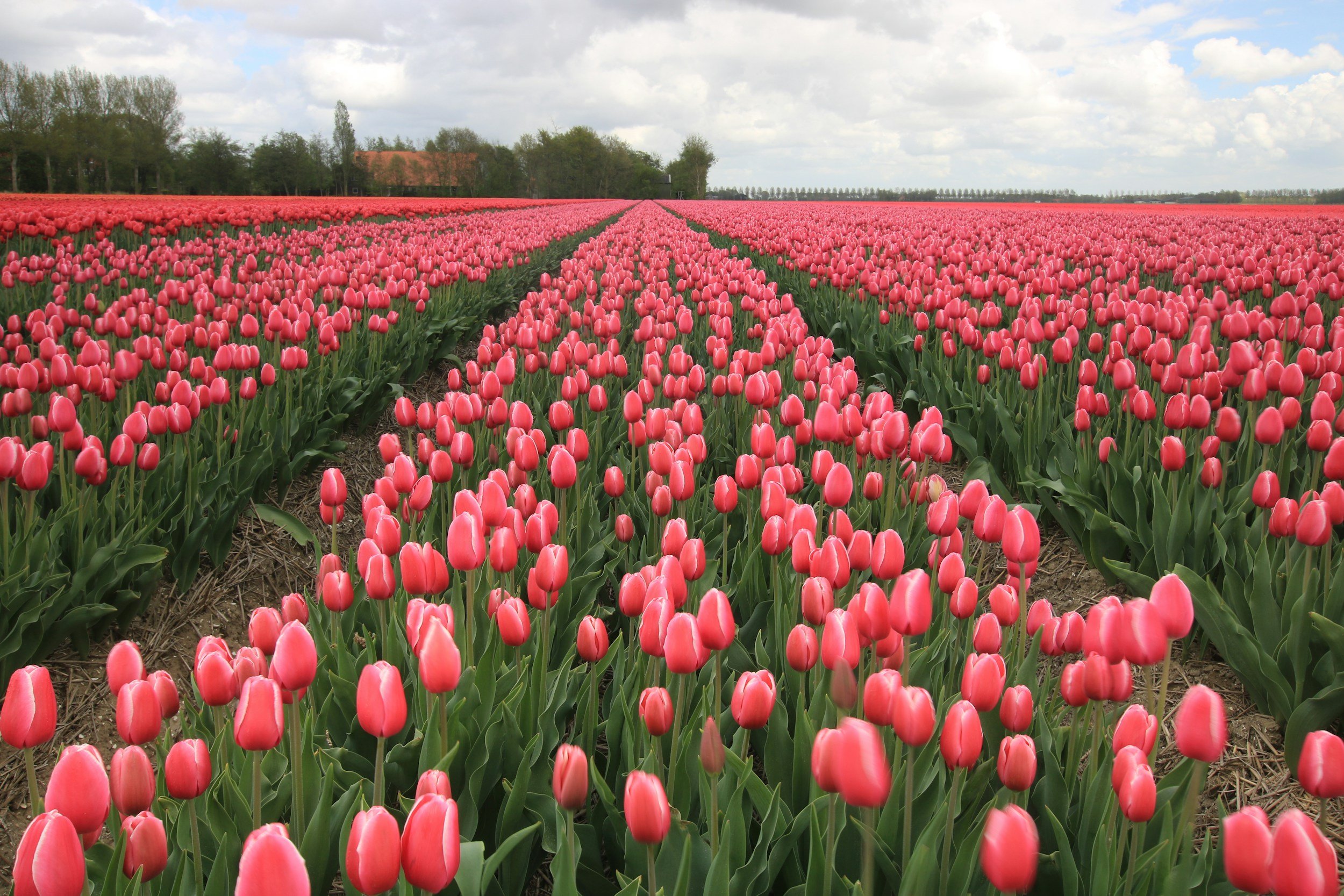
In the days following, you explore Holland in a new way. You slow down and notice the tulips you used to hurry past. You rest and begin to rediscover forgotten parts of yourselves that were hidden beneath years of tending.
In time you may go to the windmill—but instead of walking right in, you’ll knock first. Inside, the steady thrum will still be there. Some creaks are still audible, owing to the long adjustment that takes seasons, not days. Even so, it continues as a living legacy to the courage you found in stepping aside and entrusting it to another. The rhythm continues onward, just as it was meant to, because you let it.
At the end of this visit, evening will come. With quiet hope for the future, together you’ll turn west and watch the sun set behind the windmill once more.
© 2026 Marshal Ash. All rights reserved.
Welcome to Holland
I owe a debt of gratitude to Emily Perl Kingsley, whose Welcome to Holland continues to give shape to an experience that often resists words. I encourage you to spend time with it—and to attend to whatever unfolds as you do:
The Moon
Welcome to Holland speaks meaningfully to many experiences, but not all. For some, the landscape remains difficult and dangerous for an extended time. This haiku was shared with me by someone in that position, and it offered a sense of recognition that felt closer to their lived experience.
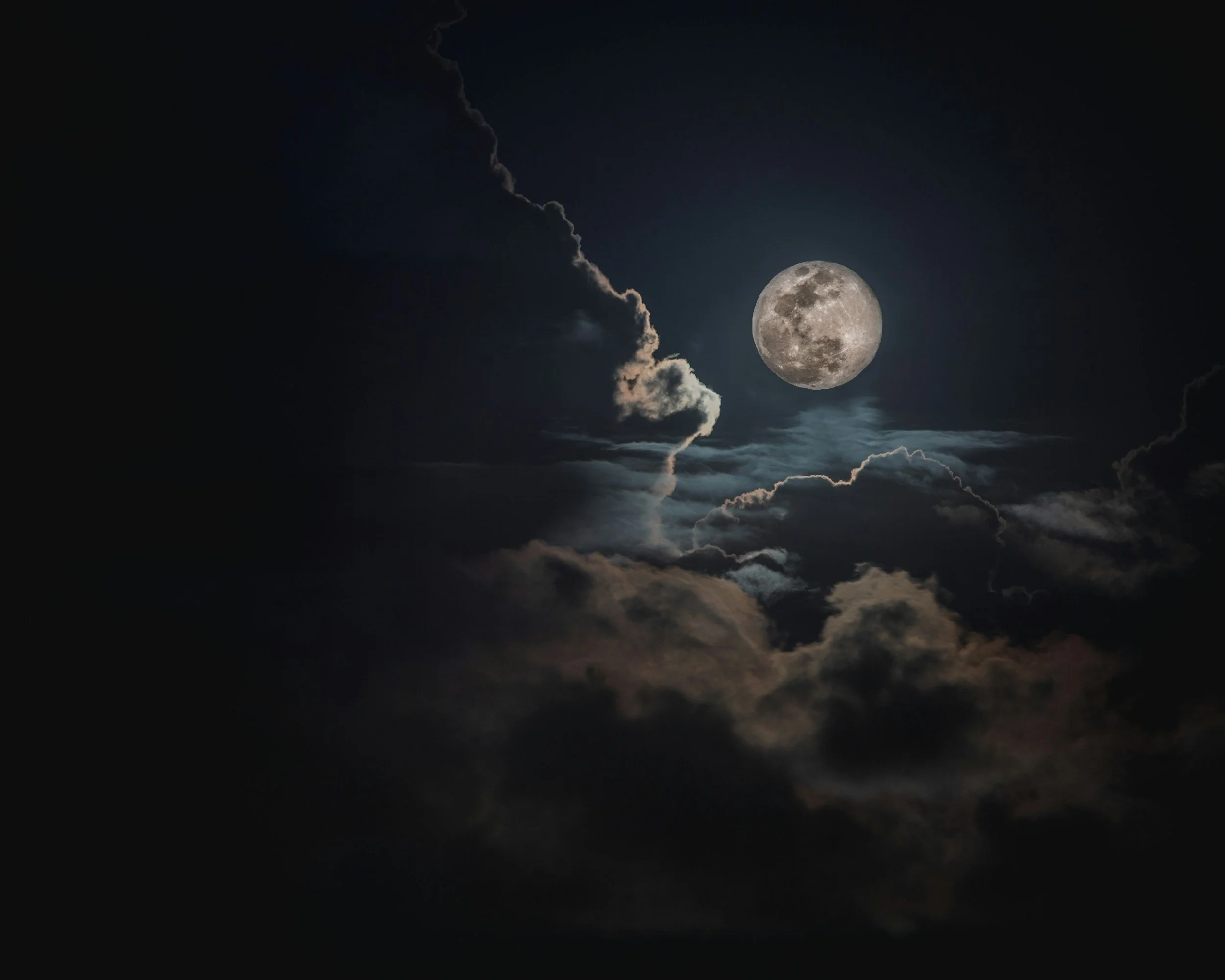
“My barn having burned down, I can now see the moon.”
-Mizuta Masahide